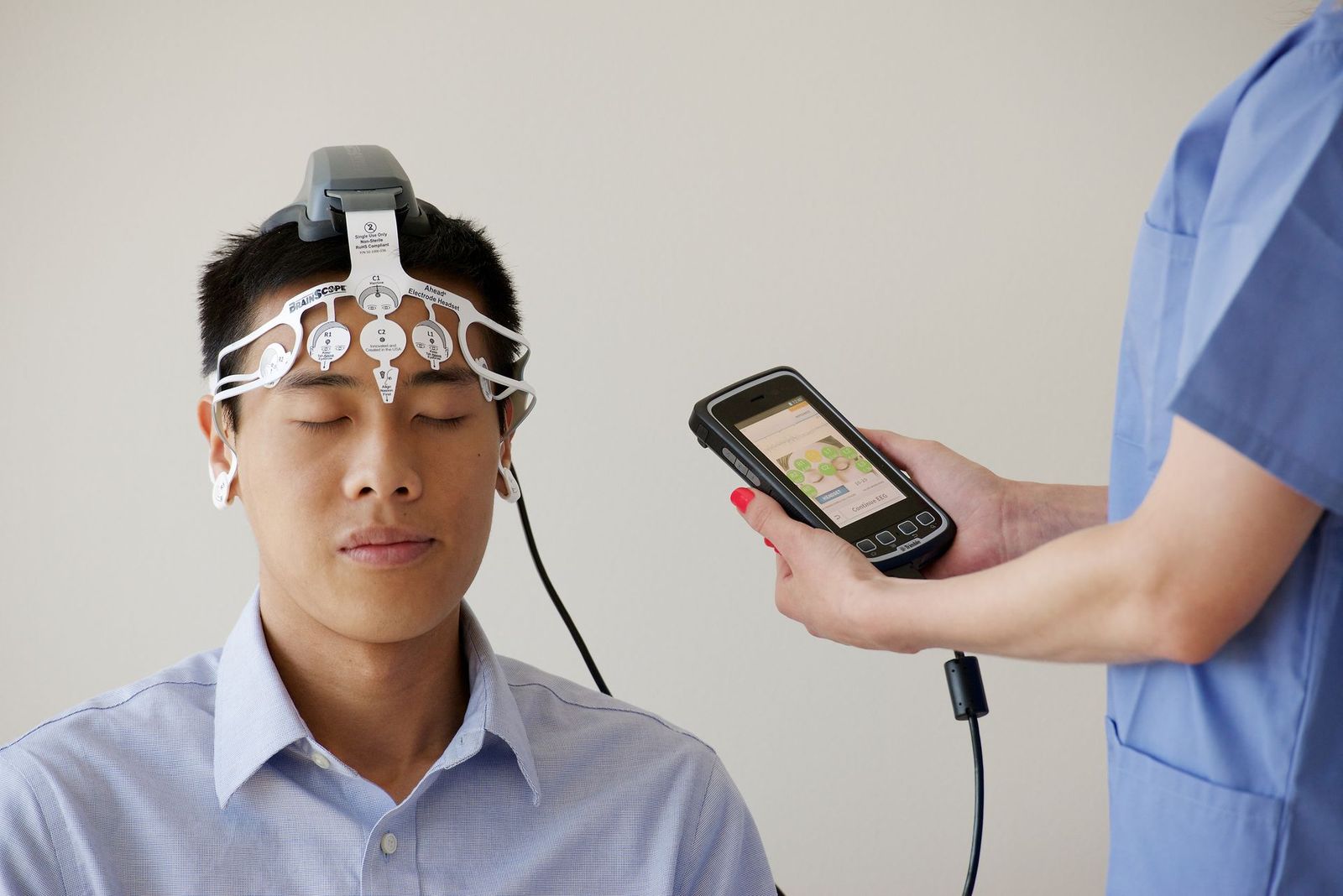
The main published study of CFDT is a 2024 peer-reviewed paper in Frontiers in Human Neuroscience. It reviewed real-world data from 183 children and adults and found that, as a group, their scores on five primary cognitive functions rose from before to after treatment.
By the numbers
The 2024 study by the numbers
183
clients in the study
7 to 83
ages of the clients
24
hours (1,440 minutes), the minimum CFDT treatment
5
primary cognitive functions measured
The 2024 study at a glance
Title
A retrospective, observational study of real-world clinical data from the Cognitive Function Development Therapy program
Journal
Frontiers in Human Neuroscience, December 18, 2024
Authors
Eric D. Kirby, Brian Beyst, Jen Beyst, Sonia M. Brodie and Ryan C. N. D’Arcy
Participants
183 clients ages 7 to 83, treated in Arizona between December 2019 and May 2024
All five primary cognitive function scores rose significantly from before to after CFDT
Younger clients tended to gain more, which points to the value of starting early
In an exploratory group of 18 clients, a brain-signal measure linked to basic attention (P300 amplitude) increased
Limits to keep in mind
It was a retrospective, observational study with no control group
Changes can't yet be attributed to CFDT alone
CFDI funded the study, and its co-founders are co-authors (disclosed in the paper)
The authors call for future randomized controlled studies.
Measurement
How CFDT measures progress
Clients take digital cognitive assessments (BrainFX SCREEN or Creyos) before and during CFDT. CFDI maps the results to five primary cognitive functions, and therapists usually target the two lowest: